










Prioritising Incident Reporting for Workplace Safety and Compliance
Published: April 2024
Reading time: 5 minutes
Suitable for: Business Owners, Directors, Managers, Supervisors and Employees
Topics: Incident Reporting | Near Misses | Accident Prevention | Safety Culture
At a glance
Main goal: Learn from incidents before they become serious accidents.
Who should report incidents? Everyone in the workplace.
Key action: Encourage the reporting of hazards, near misses and incidents without fear of blame.
Benefits: Fewer accidents, improved safety culture and better risk management.
Why this matters
No workplace is completely free from risk, but many serious accidents don’t happen without warning.
Near misses, unsafe conditions and minor incidents often occur long before a major injury. By encouraging employees to report these events, businesses can identify patterns, remove hazards and prevent more serious incidents from occurring.
Effective incident reporting isn’t simply about meeting legal requirements—it’s about learning from what almost happened before someone gets hurt.
What is incident reporting?
Incident reporting is the process of recording events that affect, or could have affected, the health, safety or wellbeing of people in the workplace.
This includes:
- Workplace accidents
- Near misses
- Dangerous occurrences
- Unsafe conditions
- Unsafe behaviours
- Property damage
- Environmental incidents
Reporting these events helps businesses understand where improvements are needed and supports continuous improvement.
Why report near misses?
A near miss may not result in an injury, but it provides valuable information about weaknesses in your health and safety arrangements.
For example:
- A pallet falls from shelving but doesn’t strike anyone
- An employee trips over trailing cables but regains their balance
- A vehicle narrowly avoids colliding with a pedestrian
These situations should be investigated just as seriously as an accident because they reveal hazards that could cause harm in the future.
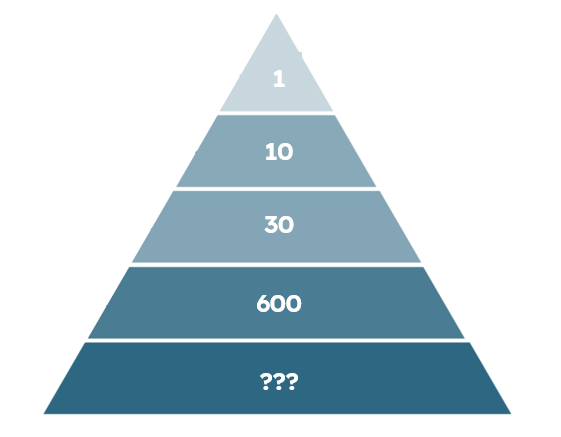
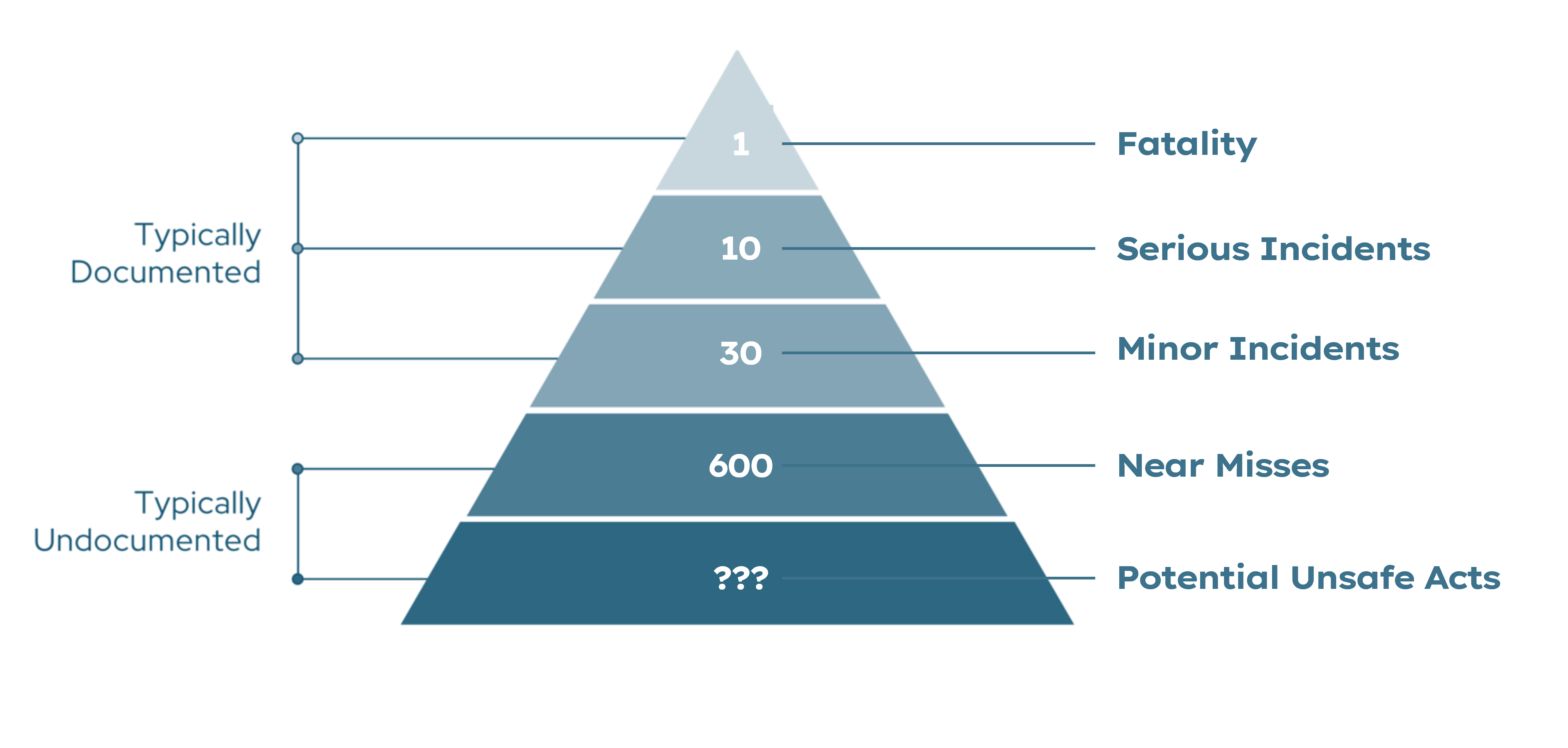
Understanding the Heinrich Safety Pyramid
One of the best-known accident prevention models is the Heinrich Safety Pyramid, developed by Herbert William Heinrich in 1931.
The model suggests that serious accidents are often preceded by many more minor incidents and near misses.
The principle is simple:
- Numerous unsafe acts and conditions occur every day
- Some of these result in near misses
- A smaller number become minor injuries
- Without intervention, a few may eventually lead to a serious accident
Although modern health and safety professionals recognise that the exact ratios proposed by Heinrich are not universally applicable, the underlying message remains highly relevant:
Investigating small problems today can help prevent serious accidents tomorrow.
What should employers do?
Employers should encourage an open reporting culture by:
- Providing a simple incident reporting process
- Encouraging employees to report concerns without fear of blame
- Investigating all incidents and near misses
- Identifying root causes rather than assigning blame
- Reviewing trends and recurring issues
- Implementing corrective actions
- Sharing lessons learned with employees
The aim is to learn from incidents—not simply record them.
What should employees do?
Employees play an essential role in preventing accidents.
They should:
- Report hazards immediately
- Report all near misses
- Report accidents promptly
- Cooperate with investigations
- Suggest improvements where risks are identified
- Follow agreed safe systems of work
Every report contributes to making the workplace safer for everyone.
What does the law say?
Certain serious workplace incidents must also be reported under the Reporting of Injuries, Diseases and Dangerous Occurrences Regulations (RIDDOR).
Maintaining effective reporting procedures helps businesses identify trends, demonstrate compliance and continually improve workplace safety.
Related resources
Documents
or try the Incident Reporting Tool directly on the Portal
E-learning
Need more help?
Developing a positive reporting culture is one of the most effective ways to prevent workplace accidents. The Health & Safety Portal provides practical resources to help you implement effective reporting procedures.
By encouraging employees to report concerns early and by learning from every incident, your business can reduce risks, improve compliance and build a safer working environment for everyone.