










The Importance of Health & Safety Audits
Published: December 2023
Reading time: 6 minutes
Suitable for: Business Owners, Directors, Managers and Supervisors
Topics: Health & Safety Management | Audits | Legal Compliance | Continuous Improvement
Why this matters
Health and safety isn’t something you can set up once and forget about. As your business grows, new equipment is introduced, or working practices change, new risks can appear. A health and safety audit helps you step back and ask an important question:
“Is our health and safety management system actually working?”
Regular audits help identify gaps before they become accidents, improve legal compliance and demonstrate your commitment to protecting your employees, visitors and customers.
At a glance
Main benefit: Confirms your health and safety management system is working effectively.
Who should complete one? Business owners, managers or anyone responsible for health and safety.
How often? At least annually, and whenever significant changes occur.
Time to complete: Varies depending on the size and complexity of your business.
What is a health & safety audit?
A health and safety audit is a structured review of how well your business is managing health and safety.
Unlike a risk assessment, which identifies hazards and decides how to control them, an audit looks at your overall safety management system to check whether your policies, procedures and controls are working as intended.
Think of it as a health check for your business’s approach to safety.
Who should carry out an audit?
Health and safety audits can be carried out by:
- Business owners
- Managers or supervisors
- Competent health and safety personnel
- External health and safety consultants
Whoever carries out the audit should have enough knowledge of your business to recognise where improvements may be needed.
What should a health & safety audit cover?
A good audit looks at all aspects of your health and safety management system, including:
Safety Management
- Health and Safety Policy
- Responsibilities
- Training records
- Risk assessments
- Safe systems of work
Fire Safety
- Fire risk assessment
- Emergency procedures
- Fire extinguishers
- Emergency lighting
- Fire drills
First Aid
- First aid kits
- Trained first aiders
- Accident reporting procedures
- Incident investigations
Workplace Safety
- Housekeeping
- Slips, trips and falls
- Welfare facilities
- Lighting
- Ventilation
Vehicles and Transport
If your workplace uses vehicles, your audit should consider:
- Vehicle maintenance
- Driver competence
- Site traffic routes
- Pedestrian segregation
- Reversing arrangements
Hazardous Substances and Equipment
Where relevant, review:
- COSHH assessments
- Chemical storage
- Machinery maintenance
- Equipment inspections
- Guarding and safety devices
Environmental Management
Your audit can also include environmental topics such as:
- Waste management
- Pollution prevention
- Spill control
- Recycling
- Environmental responsibilities
Why should you review your business regularly?
Businesses are constantly changing.
You may:
- Recruit new employees
- Purchase new equipment
- Introduce different processes
- Move premises
- Expand your services
An audit helps ensure your health and safety arrangements continue to meet the needs of your business as these changes occur. Many businesses choose to complete an audit every year, as well as after significant changes or following a serious incident.
What does the law say?
Under the Health and Safety at Work etc. Act 1974, employers have a legal duty to protect the health, safety and welfare of their employees and anyone affected by their work.
Employers with five or more employees are generally required to record significant findings from their health and safety arrangements, including having a written Health and Safety Policy where required by law.
Although regular health and safety audits are not specifically required by legislation, they are recognised as good practice and are an effective way to demonstrate that your safety management system is being monitored and improved.
Related resources
- Health & Safety Policy
- Safety Audit Checklist
- Incident Investigation Policy
- Environmental Audit
- Fire Risk Assessment
Need more help?
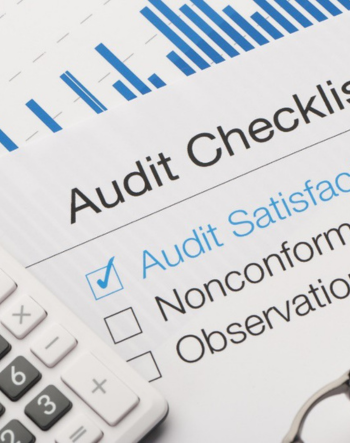
Our Safety Audit Checklist is designed to help small businesses review their health and safety arrangements in a simple, structured way. It guides you through the key areas to assess and helps identify opportunities to improve your safety management system.
You can download the Safety Audit Checklist from the H&S Documents section of the portal and start reviewing your workplace today.