










Published: September 2023
Reading time: 5 minutes
Suitable for: Business Owners, Directors, Managers and Supervisors
Topics: Risk Assessment | Hazard Identification | Legal Compliance | Health & Safety Management
At a glance
Main goal: Identify hazards before they result in harm.
Who should be involved? Employers, managers, supervisors and employees.
Key action: Complete suitable and sufficient risk assessments and review them regularly.
Benefits: Safer workplaces, improved compliance and reduced business risk.
Why this matters
Every workplace has hazards, whether it’s an office, workshop, warehouse, construction site or retail environment. The key to effective health and safety isn’t eliminating every risk—it’s understanding those risks and putting sensible control measures in place.
Risk assessments are one of the most effective ways to prevent accidents, protect employees and ensure your business continues to operate safely and efficiently.
What is a risk assessment?
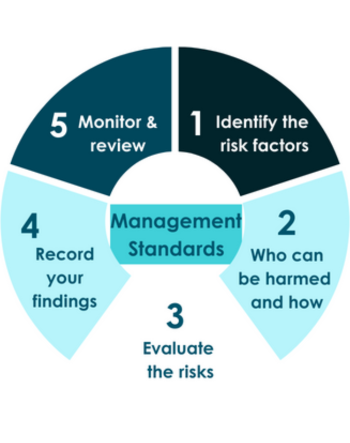
A risk assessment is a structured process used to:
- Identify workplace hazards
- Assess who could be harmed and how
- Evaluate the level of risk
- Decide on appropriate control measures
- Review and update findings when circumstances change
It helps businesses move from reacting to incidents to preventing them.
Why are risk assessments important?
A suitable and sufficient risk assessment benefits both employees and employers.
Protecting your workforce
By identifying hazards before they cause harm, businesses can reduce the likelihood of accidents, injuries and work-related ill health.
Employees who feel safe at work are also more likely to be engaged, productive and confident in carrying out their roles.
Supporting legal compliance
Risk assessments are a legal requirement for most employers and form the foundation of effective health and safety management.
They help businesses demonstrate that workplace hazards have been considered and appropriate steps have been taken to reduce risks.
Reducing business disruption
Accidents can lead to:
- Lost working time
- Increased sickness absence
- Damage to equipment
- Higher insurance costs
- Investigations and enforcement action
Managing risks proactively helps minimise these disruptions and supports business continuity.
Improving decision-making
Risk assessments provide valuable information when introducing:
- New equipment
- New processes
- New employees
- Changes to the workplace
- New products or services
They allow businesses to plan changes safely rather than reacting after problems occur.
One size doesn’t fit all
Every workplace is different.
A risk assessment should reflect:
- The activities your business carries out
- The people who work there
- The equipment being used
- The workplace environment
- Any vulnerable groups who may require additional protection.
A generic assessment is rarely as effective as one that has been tailored to your own workplace.
What does the law say?
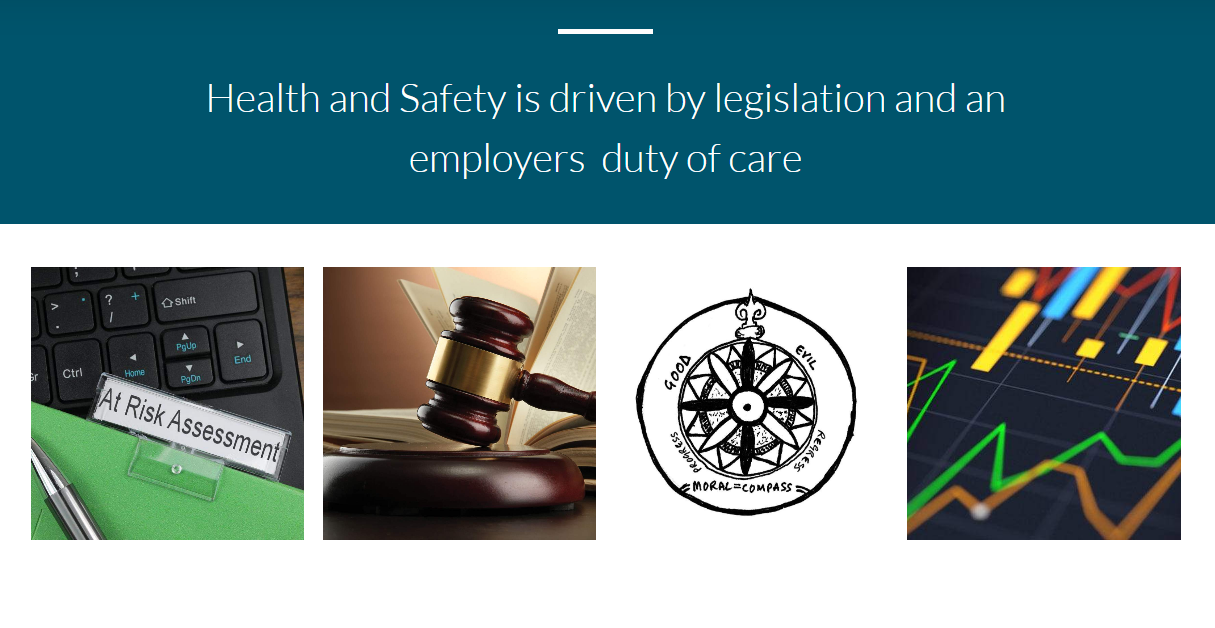
Under the Management of Health and Safety at Work Regulations 1999, employers are required to carry out suitable and sufficient assessments of the risks to employees and others who may be affected by their work activities.
The Health and Safety at Work etc. Act 1974 also places a general duty on employers to protect the health, safety and welfare of employees, so far as is reasonably practicable.
Risk assessments are one of the primary ways businesses demonstrate that they have identified workplace hazards and implemented appropriate control measures.
Related resources
Documents
E-learning
Need more help?
Risk assessments are the foundation of effective health and safety management. They help businesses understand their risks, prioritise action and create safer workplaces for everyone.
The Health & Safety Portal provides a wide range of practical resources to support your risk assessment process, including editable templates, e-learning courses, toolbox talks and guidance documents. Whether you’re completing your first assessment or reviewing existing arrangements, taking the time to understand your workplace risks is one of the most valuable investments you can make in your business.