










Published: July 2023
Reading time: 6 minutes
Suitable for: Business Owners, Managers, Supervisors and Fire Wardens
Topics: Fire Safety | Fire Risk Assessment | Emergency Planning | Workplace Safety
At a glance
Main goal: Prevent workplace fires and ensure everyone can respond safely if one occurs.
Who should be involved? Employers, responsible persons, managers, fire wardens and employees.
Key action: Complete a fire risk assessment and ensure employees understand emergency procedures.
Benefits: Improved safety, legal compliance and greater business resilience.
Why this matters
A workplace fire can have devastating consequences. Beyond the immediate risk to life, fires can result in injuries, business interruption, property damage and significant financial loss.
The good news is that many workplace fires are preventable. By understanding your responsibilities and planning ahead, you can significantly reduce the likelihood of a fire and ensure people know what to do if one occurs.
What are your responsibilities?
Every workplace should have appropriate fire safety arrangements in place.
These include:
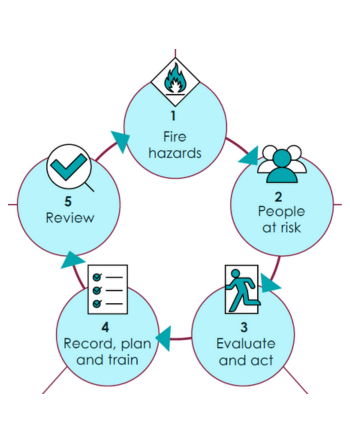
- Identifying fire hazards
- Assessing the level of risk
- Implementing suitable control measures
- Planning emergency procedures
- Providing information and training
- Maintaining fire safety equipment
Fire safety should form part of your wider health and safety management system rather than being treated as a standalone activity.
Key steps to improving fire safety
Complete a fire risk assessment
A fire risk assessment helps identify:
- Potential sources of ignition
- Combustible materials
- People who may be at greater risk
- Existing fire safety measures
- Additional controls that may be required
Review your assessment regularly, particularly if your workplace or activities change.
Appoint a competent person
Every business should appoint one or more competent people to help manage fire safety.
A competent person should have the appropriate:
- Knowledge
- Training
- Experience
- Authority
They play an important role in helping ensure fire precautions remain effective.
Inform and train employees
Employees should understand:
- Fire hazards within the workplace
- Emergency procedures
- Evacuation routes
- Assembly points
- How to report a fire
- The role of any fire wardens
Regular fire drills and refresher training help ensure everyone knows what to do in an emergency.
Maintain fire safety equipment
Fire safety measures should be inspected and maintained regularly.
This includes:
- Fire extinguishers
- Fire alarms
- Emergency lighting
- Fire doors
- Escape routes
- Signage
Routine maintenance helps ensure equipment will operate effectively if it is ever needed.
Work with others
If your workplace shares a building with other businesses, effective communication is essential.
Responsible persons should cooperate by:
- Sharing relevant fire safety information
- Coordinating emergency arrangements
- Managing any shared risks
- Reviewing evacuation procedures together
Working together helps protect everyone within the building.
What should you do if you discover a fire?
If you discover a fire:
- Raise the alarm immediately.
- Evacuate the building using the nearest safe exit.
- Go directly to the designated assembly point.
- Call 999 and ask for the Fire and Rescue Service.
- Do not re-enter the building until it is declared safe.
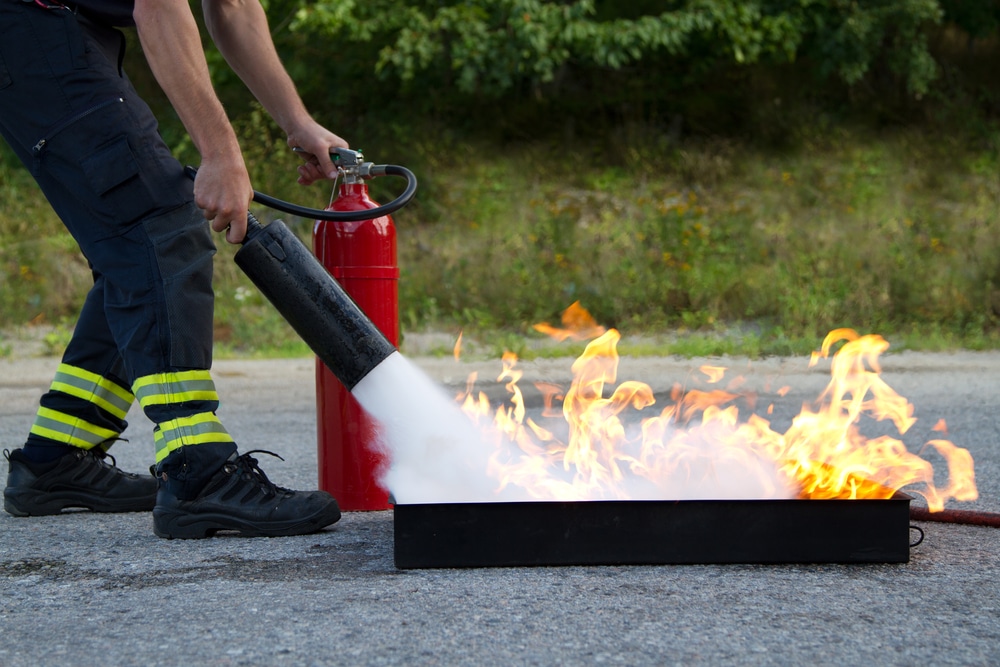
Only attempt to use a fire extinguisher if you have received appropriate training and it is safe to do so.
What does the law say?
The Regulatory Reform (Fire Safety) Order 2005 places legal duties on the Responsible Person to assess fire risks, implement appropriate fire precautions and ensure people can evacuate safely in the event of a fire.
Employers also have duties under the Health and Safety at Work etc. Act 1974 to protect employees and others who may be affected by their work activities.
Where a business employs five or more people, significant findings from the fire risk assessment should generally be recorded.
Related resources
Documents
E-learning
Need more help?
Fire safety is about more than responding to emergencies—it starts with preventing them. By assessing fire risks, maintaining equipment and ensuring employees understand what to do in an emergency, businesses can significantly reduce the likelihood and impact of workplace fires.
The Health & Safety Portal provides practical resources to support your fire safety arrangements, including fire risk assessment templates, policy documents, e-learning courses, toolbox talks and guidance to help you build a safer workplace.