











Published: April 2023
Reading time: 5 minutes
Suitable for: Business Owners, Managers and Employees
Topics: Environmental Awareness | Sustainability | Environmental Management | Workplace Responsibility
At a glance
Main goal: Reduce your organisation’s environmental impact through practical everyday actions.
Who should be involved? Employers, managers and employees.
Key action: Review your environmental policy and identify simple opportunities to improve sustainability.
Benefits: Reduced costs, improved efficiency and a stronger environmental reputation.
Why this matters
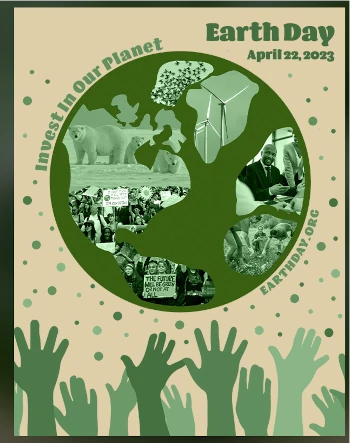
Earth Day, celebrated each year on 22 April, is an opportunity to reflect on how our everyday decisions affect the environment.
For businesses, sustainability isn’t just about protecting the planet. It can also reduce costs, improve efficiency, strengthen your reputation and demonstrate your commitment to customers, employees and the wider community.
No matter the size of your organisation, small changes can make a meaningful difference.
Why should businesses think about sustainability?
Every business has an environmental impact.
This may include:
- Energy consumption
- Water usage
- Waste generation
- Business travel
- Packaging
- Purchasing decisions
Taking simple steps to reduce these impacts can benefit both the environment and your organisation.
Practical ways to reduce your environmental impact
Improve energy efficiency
Reducing energy consumption is often one of the quickest ways to lower both carbon emissions and operating costs.
Consider:
- Switching to LED lighting
- Turning off equipment when not in use
- Using energy-efficient appliances
- Maintaining heating and cooling systems
- Monitoring energy usage
Small improvements can add up over time.
Reduce waste
Managing waste effectively helps conserve resources and reduce disposal costs.
You could:
- Increase recycling facilities
- Reduce paper usage
- Reuse materials where possible
- Choose products with less packaging
- Encourage responsible disposal of waste
Reviewing purchasing decisions can often reduce waste before it is created.
Involve your employees
Sustainability works best when everyone contributes.
Encourage employees to:
- Suggest environmental improvements
- Take part in local community initiatives
- Reduce unnecessary waste
- Switch off equipment when not needed
- Support workplace recycling schemes
Employee involvement helps create a culture of environmental responsibility.
Review your environmental policy
An environmental policy helps explain your organisation’s commitment to sustainability.
It should outline:
- Your environmental objectives
- Responsibilities within the business
- How environmental impacts will be managed
- How performance will be reviewed over time
Reviewing your policy regularly helps ensure it continues to reflect your business activities.
Looking beyond Earth Day
Earth Day is a useful reminder, but environmental responsibility should be part of everyday business operations.
By making sustainability part of normal decision-making, businesses can:
- Reduce operating costs
- Improve efficiency
- Meet customer expectations
- Strengthen their reputation
- Prepare for future environmental challenges
Small improvements made consistently often have the greatest long-term impact.
What does the law say?
While there is no single UK law requiring every business to have an environmental policy, organisations are responsible for complying with environmental legislation relevant to their activities.
Depending on the nature of your business, this may include duties relating to waste management, pollution prevention, hazardous substances and environmental protection.
Developing an environmental policy is recognised as good practice and helps demonstrate your organisation’s commitment to managing its environmental responsibilities effectively.
Related resources
Documents
E-learning
Need more help?
Improving environmental performance doesn’t always require major investment. Often, the biggest improvements come from small, consistent changes that become part of everyday working practices.
The Health & Safety Portal provides practical resources to help businesses develop their environmental management arrangements, including policy templates, e-learning courses, toolbox talks and guidance to support a more sustainable workplace.