










Published: August 2023
Reading time: 5 minutes
Suitable for: Business Owners, Managers, Supervisors and Vehicle Operators
Topics: Workplace Transport | Forklift Safety | Traffic Management | Risk Assessment
At a glance
Main goal: Reduce the risk of workplace transport accidents.
Who should be involved? Employers, managers, supervisors, drivers and pedestrians.
Key action: Separate vehicles and pedestrians wherever possible and ensure operators are suitably trained.
Benefits: Fewer accidents, improved safety and better operational efficiency.
Why this matters
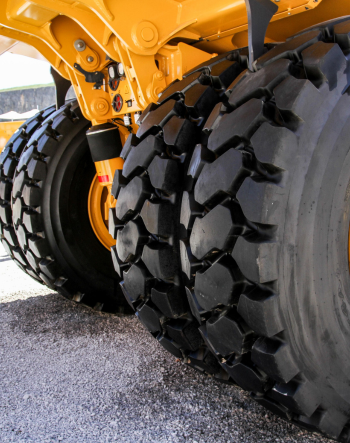
Workplace transport is one of the leading causes of serious injuries and fatalities at work. Forklift trucks, lorries and other site vehicles often operate in busy environments where pedestrians, equipment and moving vehicles share the same space.
Without effective planning and control measures, even a minor mistake can have serious consequences.
By understanding the risks and implementing sensible precautions, businesses can create safer workplaces for everyone.
What are the main hazards?
Site vehicles present a number of unique risks, including:
- Blind spots around vehicles
- Reversing manoeuvres
- Heavy or unstable loads
- Limited manoeuvrability
- Poor visibility
- Uneven ground or damaged surfaces
- Pedestrians entering vehicle routes
These hazards should be considered as part of your workplace transport risk assessment.
Creating a safer workplace
Managing workplace transport is about more than training drivers. It requires a coordinated approach that considers both vehicles and pedestrians.
Separate vehicles and pedestrians
Where possible:
- Create designated pedestrian walkways
- Clearly mark vehicle routes
- Install barriers where appropriate
- Use crossings in high-traffic areas
Reducing interaction between people and vehicles is one of the most effective ways to prevent accidents.
Train operators
Anyone operating workplace vehicles should receive suitable training and, where appropriate, formal certification.
Training should include:
- Safe driving techniques
- Load handling
- Daily vehicle inspections
- Site traffic rules
- Emergency procedures
Regular refresher training helps maintain safe working practices.
Maintain vehicles
Vehicles should be inspected regularly to ensure they remain safe to use.
Checks may include:
- Brakes
- Steering
- Lights
- Tyres
- Warning alarms
- Hydraulic systems
Any defects should be reported and repaired before the vehicle is used.
Manage traffic safely
Every workplace should have clear arrangements for vehicle movement.
Consider:
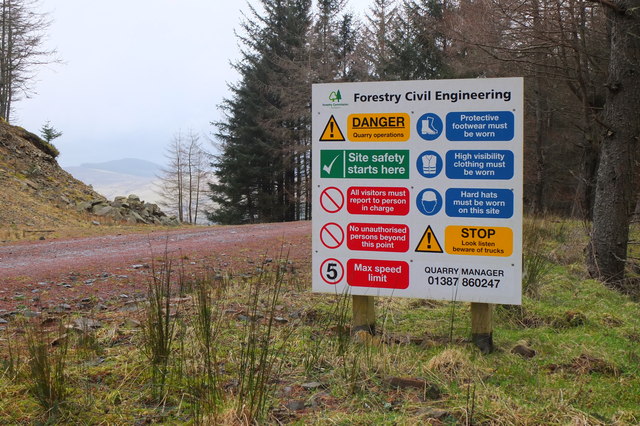
- Speed limits
- One-way systems
- Reversing controls
- Delivery areas
- Parking arrangements
- Visitor vehicle access
Good traffic management reduces confusion and helps prevent collisions.
Why does this matter?
A workplace vehicle collision can have far-reaching consequences.
It may result in:
- Serious injury or loss of life
- Damage to equipment or buildings
- Lost working time
- Production delays
- Insurance claims
- Investigation and enforcement action
- Damage to your organisation’s reputation
Preventing accidents protects both people and the long-term success of your business.
What does the law say?
The HSE provides specific guidance on managing workplace transport and the safe use of lift trucks, including forklift trucks. Employers should ensure that vehicle routes, pedestrian movements, operator competence and vehicle maintenance are all considered as part of their overall health and safety management system.
Related resources
E-learning
Need more help?
Managing workplace transport requires careful planning, clear procedures and competent employees. By assessing the risks, maintaining vehicles and separating pedestrians from moving traffic wherever possible, businesses can significantly reduce the likelihood of serious accidents.
The Health & Safety Portal provides practical resources to support safe workplace transport, including traffic management guidance, risk assessment templates, vehicle inspection checklists, e-learning courses and toolbox talks to help keep your workplace moving safely.